During our 20 years of experience in the field, we have observed a significant increase in data center power consumption, which has no end in sight. As the demand for data processing and storage continues to grow (Goldman Sachs estimates that AI tools will drive a 160% increase in data center power demand), so does the energy consumption of data centers. This surge in power usage not only directly impacts operational costs but also contributes to environmental concerns. Therefore, optimizing power consumption in rack cabinets is an essential objective for any business seeking to enhance efficiency and sustainability. We hope to bring a few new options to tackle this problem. Let’s dive in!
understanding the energy challenge
According to the International Energy Agency (IEA), estimated global data centers electricity consumption in 2022 was 240-340 TWh, or around 1-1.5% of global final electricity demand and 1% of energy-related GHG emissions. Despite some technology vendors predicting their death at the hands of Cloud computing, last year alone datacenter construction hit an all time high of 3,077.8MW in North American markets, up 46% from 2022 according to CBRE(in the US alone, the data center building boom will boost the amount of electricity AEPC plans to supply by 15 gigawatts by 2030). Data centers are here to stay, – but that doesn’t mean they are not evolving: with energy costs rising significantly in the past few years and environmental concerns being more and more crucial for any business, optimizing power consumption will be vital for your bottom line, and the planet’s.
measuring data center efficiency
Before optimizing it, it’s essential to understand how to measure data center efficiency. This could very well be an entire article, and we strongly recommend checking out this guide to get a better idea of what factors assess your data center’s efficiency.
You’ll first need to measure and track energy consumption. Two primary metrics are commonly used in industry to gauge the efficiency of data center energy use: Power Usage Effectiveness (PUE) and Carbon Usage Effectiveness (CUE).
- Power Usage Effectiveness (PUE)
PUE is the ratio of the total amount of energy used by a data center to the energy used by the computing equipment alone. The formula is:
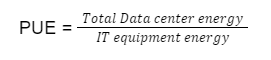
A PUE value of 1.0 indicates perfect efficiency, where all the energy consumed is used for computing with no overhead for cooling, lighting, or other infrastructure. In practice, a PUE of 1.2 or lower is considered very efficient. Regularly monitoring PUE helps data centers identify inefficiencies and areas for improvement.
- Carbon Usage Effectiveness (CUE)
CUE measures the carbon emissions produced per unit of energy consumed by IT equipment. The formula is:
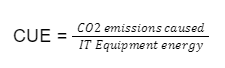
A lower CUE indicates a more environmentally friendly data center. By tracking CUE, data centers can assess the effectiveness of their renewable energy use and other carbon-reducing measures.
Both PUE and CUE are crucial for understanding and improving the energy efficiency and environmental impact of data centers. Implementing monitoring systems to track these metrics continuously allows data centers to optimize their operations and achieve their sustainability goals.
Schneider developed some useful tools for Data centers, helping you report and disclose greenhouse gas emissions in your operations and calculate exactly your environmental footprint in a granular way: Data Center Greenwashing: Schneider Launches Tools to Help Avoid Fines/ TradeOff Tool Calculators for Data Center PUE | Schneider Electric USA
Now, once we have our results, the question is how to improve them.
strategies for power consumption optimization
1. efficient cooling solutions
Cooling systems are among the largest consumers of power in data centers, so implementing efficient cooling strategies can substantially reduce energy use. Techniques such as hot and cold aisle containment, which separates hot exhaust air from cold intake air, improve cooling efficiency. Additionally, utilizing free cooling methods, which leverage natural air or water sources to cool the facility, can dramatically cut down energy usage.
2. virtualization and consolidation
Virtualization allows multiple virtual machines to run on a single physical server, optimizing the utilization of available resources. This reduces the number of physical servers required, leading to lower power consumption. Consolidating workloads onto fewer servers and decommissioning underutilized or obsolete hardware also contributes to significant energy savings.
3. energy-efficient hardware
Upgrading to energy-efficient hardware is another crucial step. Modern servers and storage devices consume less power and generate less heat, reducing the need for cooling. The Energy Star program, run by the U.S. Environmental Protection Agency (EPA), certifies hardware that meets high energy efficiency standards, making it easier for companies to choose the right equipment.
4. dynamic power management
Implementing dynamic power management (DPM) strategies allows data centers to adjust power usage based on real-time demand. This involves powering down or putting idle servers into low-power states when they are not in use. Advanced power management tools such as Sunbird can automate these processes, ensuring that energy is only used when necessary.
5. regular audits and monitoring
Continuous monitoring and regular audits of power usage are essential for identifying inefficiencies and areas for improvement. Energy management software can provide detailed insights into power consumption patterns, enabling data center operators to make informed decisions about where to implement energy-saving measures.
6. GPU-Powered accelerated computing
GPU-powered accelerated computing is an emerging strategy that can significantly enhance power consumption optimization in data centers. Unlike traditional CPUs, GPUs (Graphics Processing Units) are designed to handle parallel processing tasks more efficiently. This makes them particularly well-suited for workloads such as machine learning, artificial intelligence, and data analytics.
By leveraging GPUs, data centers can achieve higher computational performance with lower energy consumption. For instance, a single GPU can often replace multiple CPUs for specific tasks, reducing the number of physical servers required. This not only lowers power consumption but also decreases the heat generated, thereby reducing the cooling demands.
Additionally, modern GPUs are built with energy efficiency in mind, featuring advanced power management technologies that dynamically adjust power usage based on workload requirements. This ensures that energy is used optimally, further enhancing the overall efficiency of the data center.
how it benefits you
Optimizing power consumption in data centers offers a range of benefits, both for the business and the environment.
- environmental impact
As we mentioned, data centers are notoriously energy-intensive. 1-1.5% of the planet’s electricity use might seem small, but it translates to significant carbon emissions, contributing to climate change. Furthermore, this number is bound to increase with the democratization of AI tools and Internet-of-things objects (Energy consumption is expected to reach 8% by 2030). By adopting sustainable practices, data centers will substantially reduce their carbon footprint.
- cost savings
Long-term savings are substantial: Energy-efficient data centers consume less power, leading to lower operational costs, while switching to a circular model of procurement for your IT infrastructure will drastically improve your ROI. The Uptime Institute’s 2020 Global Data Center Survey found that over 70% of data center operators saw reduced energy costs as a significant benefit of energy efficiency measures. These savings can then be reinvested into other areas of the business, fostering growth and innovation.
- enhanced corporate image
Since consumers and stakeholders are increasingly environmentally conscious, adopting sustainable practices will undoubtedly enhance a company’s image. Demonstrating a commitment to sustainability can attract eco-minded customers and investors, providing a competitive edge in the market. According to a Nielsen report, 81% of global consumers feel strongly that companies should help improve the environment.
4. regulations
Governments worldwide are starting to catch up with greener energy practices, with companies being forced to report their energy performance in the EU and US, for example. The United Nations zero-emission goal by 2050 will also change a lot of things regulatory-wise: being one step ahead in those situations is always a good idea.
- improved performance and reliability
Efficient power management often improves the performance and reliability of data center equipment. Overheating and excessive power usage can cause hardware wear and tear, leading to increased maintenance costs and potential downtime. By optimizing power consumption, data centers can ensure more stable and reliable operations.
TLDR to conclude
It’s time to embrace a comprehensive approach to power consumption optimization. This is an incredible opportunity for businesses to achieve substantial cost savings, enhance operational reliability, and contribute to environmental sustainability. The good news is that there are so many ways to reduce power usage in data centers: you can use advanced cooling techniques, energy-efficient hardware, GPU-powered accelerated computing, or renewable energy integration. All of these strategies are both diverse and impactful.
Our circular IT solutions are designed to meet the highest standards of efficiency and performance, helping businesses optimize their power consumption and achieve their sustainability goals. By choosing energy-efficient, circular equipment, companies can not only reduce their environmental impact but also benefit from cost-effective, reliable IT infrastructure. Our team of experts is always one click or phone call away to help you optimize power consumption to the maximum. Feel free to reach out anytime!
recent posts
-
 démystifier l’IT circulaire : libérer la vraie valeur pour votre business
 -
 CloudFest 2026 – Epic throws, fast builds, and a touch of magic
 -
 ¿Ya has visto las últimas cotizaciones de memorias RAM? Calma, tenemos que hablar.
 -
Have you seen the latest RAM quotes? (don’t panic, we need to talk)
-
Avez-vous reçu un devis pour de la RAM récemment ? (ne paniquez pas, il faut qu’on parle)